FIRA Explained: Foreign Inward Remittance Advice for Service Exporters
Understand what a FIRA / FIRC is, why your bank issues it, and how to use it as proof of export earnings for GST refunds, RBI compliance, and income tax filing.
What is a FIRA?
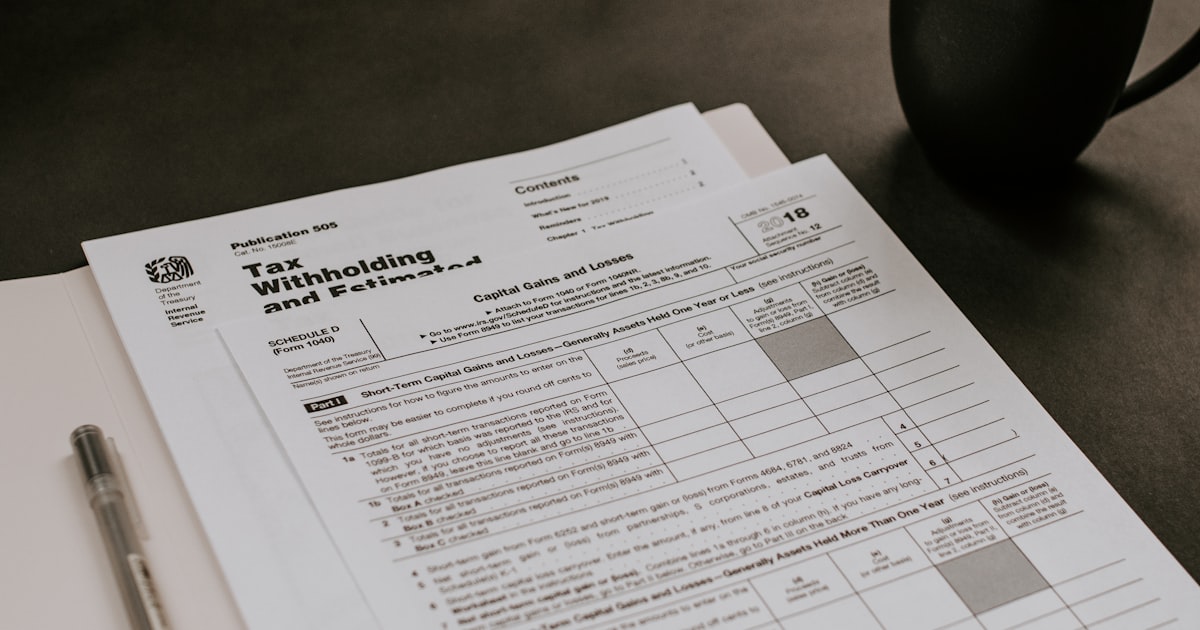
FIRA (Foreign Inward Remittance Advice) — sometimes called FIRC (Foreign Inward Remittance Certificate) — is a document your AD Category-I bank issues whenever you receive money from outside India.
It is the official proof that foreign currency was received and converted to INR through banking channels — which is exactly what RBI, GST, and the Income Tax Department want to see.
Why does FIRA matter?
- GST zero-rating: Without a FIRA, you cannot prove the supply qualifies as an export of services, so the supply may be reclassified as a domestic supply attracting GST.
- RBI / FEMA compliance: All inward remittances must be reported with a valid purpose code.
- Income tax: ITR Schedule FA and Schedule EI rely on FIRA-backed numbers.
- GST refunds (RFD-01): Refund claims for services exports require FIRA copies.
FIRA vs FIRC vs eFIRC
| Term | Meaning |
|---|---|
| FIRA | Free advice issued for every inward remittance |
| FIRC | Formal certificate (often chargeable, ₹150–₹500 per invoice) |
| eFIRC | Electronic FIRC issued via the bank's portal |
For small exporters, the FIRA is usually sufficient. Request an FIRC only when the buyer or auditor specifically asks.
How to get your FIRA
- Wait for the remittance to be credited (usually 1–3 business days)
- Log in to your bank's net-banking or trade portal
- Navigate to Trade Services → Inward Remittance
- Find the transaction and download the FIRA PDF
- If unavailable online, email your relationship manager with the SWIFT MT103 reference
Mandatory fields on a valid FIRA
- Remitter name and country
- Beneficiary name (must match your GSTIN)
- Foreign currency amount and INR equivalent
- Exchange rate used
- Purpose code (e.g., P0802 for software services, P0807 for business services)
- Date of credit
If the purpose code is wrong, your bank can amend it — but you must request the change in writing.
Common pitfalls
- Receiving via PayPal/Wise to a personal account — banks may not issue a FIRA. Always use a current account in your business name.
- Mismatched invoice and remittance amounts — banks reconcile by invoice number; mention it in the SWIFT remittance description.
- Missing purpose code — request correction within 30 days of credit.
How Zolance helps
Zolance maintains a FIRA register linked to each export invoice, alerts you when a remittance arrives without a matching FIRA, and exports an audit-ready PDF summary for your CA. Explore the FIRA tracker.
FAQs
Is FIRA mandatory for every export?
Yes, for every inward remittance you intend to claim as export earnings.
How long should I keep FIRAs?
8 years — the maximum retention period under GST and FEMA.
Can I download FIRAs in bulk?
Most banks allow filtering by date range and bulk PDF downloads from the trade portal.